GLP-3 RTA Research Peptide, US-Made & Third-Party Tested
✓ US-made · third-party tested · free US shipping over $100
last updated · reviewed by the verve research team
what is glp-3 rta?
GLP-3 RTA is a synthetic peptide that acts as an agonist at three receptors — GLP-1, GIP, and glucagon. Verve supplies it as a research compound for laboratory use only, not for human or veterinary use. It is catalogued under weight & metabolic as a synthetic triple-agonist peptide.
GLP-3 RTA is a synthetic single-chain peptide engineered to act at three related class B G-protein-coupled receptors at once: the GLP-1 receptor, the GIP receptor, and the glucagon receptor. Its backbone is derived from the incretin peptide family and carries a fatty-acid modification that extends plasma half-life in pre-clinical systems, making it a widely cited reference agonist in incretin-receptor research.
In the laboratory, GLP-3 RTA is used to probe how simultaneous engagement of three receptors alters downstream cAMP signaling, receptor trafficking, and nutrient-handling pathways relative to single- and dual-agonist reference compounds. Because triple-agonist work depends on knowing exactly what is in the vial, verve manufactures GLP-3 RTA in the United States, screens every batch by HPLC to a 99%+ purity standard, and publishes a batch-level certificate of analysis.
glp-3 rta specifications
Reference data for GLP-3 RTA as supplied by verve for laboratory research use only.
| Compound | GLP-3 RTA |
|---|---|
| Compound class | Synthetic triple-agonist peptide |
| Research area | weight & metabolic |
| Primary research focus | metabolic-pathway research |
| Purity standard | 99%+ purity standard, HPLC-verified per batch |
| Supplied as | Single research compound |
| Endotoxin-tested option | Available |
| Catalog sizes | 10mg · 20mg · 30mg |
| Catalog price | from $143 |
| Availability | In stock |
| Intended use | In-vitro laboratory research use only. Not for human or veterinary use. |
| Reference last reviewed |
what is glp-3 rta used for in research?
GLP-3 RTA is supplied strictly for laboratory research use only. Reported research contexts include:
- GLP-1, GIP, and glucagon receptor agonism research
- cAMP and class B GPCR signaling research models
- Comparative single-, dual-, and triple-agonist pharmacology studies
- Metabolic-pathway and nutrient-handling research models
- Peptide half-life, lipidation, and stability research
how pure is glp-3 rta?
purity, third-party testing & the certificate of analysis
Every batch of verve GLP-3 RTAis synthesized and vial-filled in the United States and screened by an independent, accredited laboratory. Chromatographic purity and quantity are measured by HPLC-UV/VIS; where the panel includes them, endotoxin is screened by LAL and sterility by USP <71>, with the sterility result reported as no growth detected or as pending while the culture is still running. Products are manufactured to a 99%+ purity standard where stated.
That lab report is the certificate of analysis. Match the batch code printed on your vial to the row in our COA library and you're reading the exact report for the exact vial in your hand. This compound's current report covers lot 3548303, published 2026-06-26. Orders placed Monday–Friday ship by 2pm CT, free over $100, with damage protection in transit and full US tracking.
GLP-3 RTA, explained in 60 secondsthe plain-english version — what it is, where it shows up, and the lab report behind the vialwhere to buy glp-3 rta for research
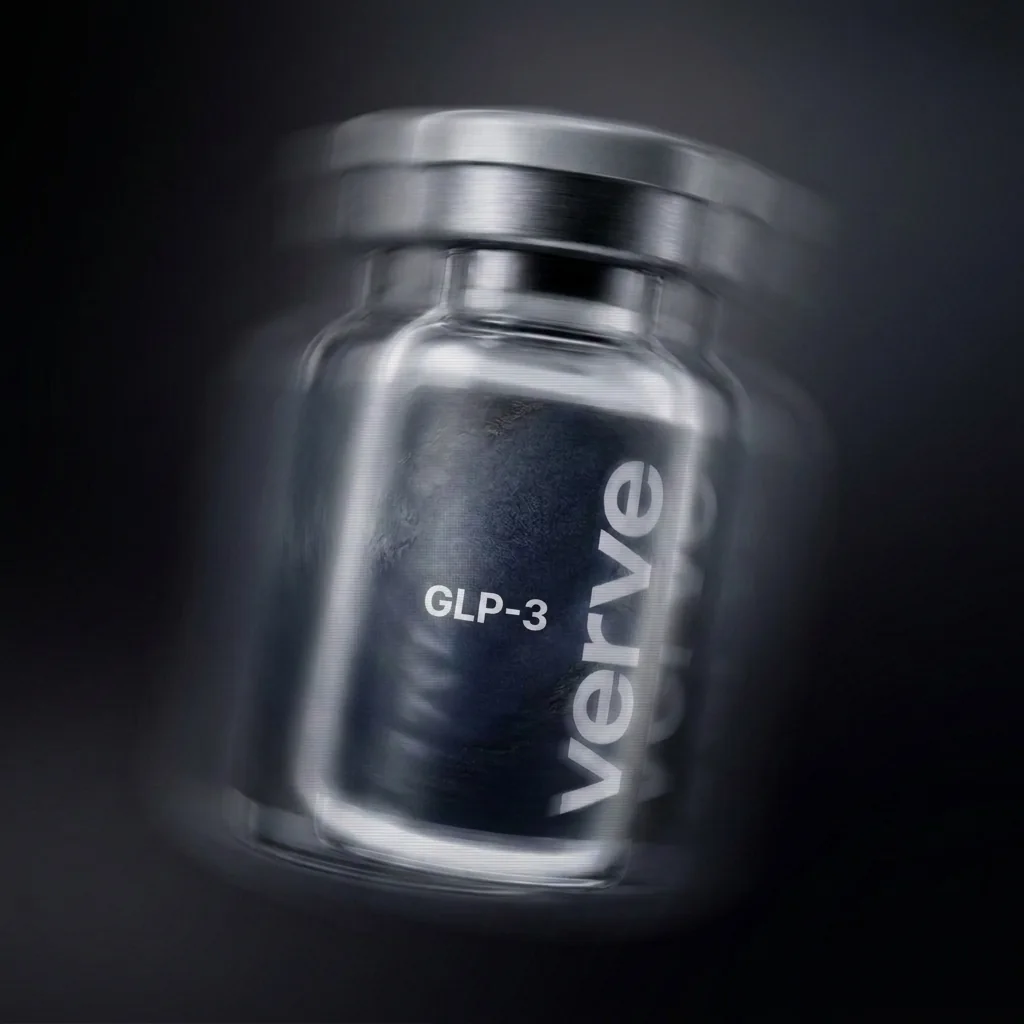 GLP-3 RTAweight & metabolicfrom $143browse all weight & metabolic →
glp-3 rta frequently asked questions
What is GLP-3 RTA?
GLP-3 RTA is a synthetic peptide that acts as an agonist at three receptors — GLP-1, GIP, and glucagon. Verve supplies it as a research compound for laboratory use only, not for human or veterinary use.
What is GLP-3 RTA studied for in research?
In in-vitro and pre-clinical models it is used as a reference agonist in incretin-receptor pharmacology, cAMP signaling, and metabolic-pathway research. Verve makes no claims about use in humans or animals.
How does GLP-3 RTA differ from single- or dual-agonist research peptides?
It engages three receptors rather than one or two, which is why researchers use it as a comparator alongside single- and dual-agonist reference compounds in receptor-pharmacology studies. This is a pharmacological description, not a statement of any effect in a person.
How pure is Verve's GLP-3 RTA, and is a COA included?
It is manufactured in the US, verified by HPLC to a 99%+ purity standard, and shipped with a downloadable batch-level certificate of analysis. Match the batch code on your vial to the row in the COA library to read the report for your exact lot.
Is "GLP-3" a natural peptide the way GLP-1 is?
No. GLP-1 and GLP-2 are native peptides your gut actually makes. "GLP-3" is shorthand the research market uses for the third generation of engineered incretin agonists — a single synthetic chain built to engage three receptors at once. There is no third natural glucagon-like peptide; the number counts receptor targets, not a hormone.
glp-3 rta research references
- Coskun T, Urva S, Roell WC, Qu H, Loghin C, Moyers JS, et al. LY3437943, a novel triple glucagon, GIP, and GLP-1 receptor agonist for glycemic control and weight loss: From discovery to clinical proof of concept. Cell Metab. 2022;34(9):1234-1247.e9.Characterised in-vitro agonist potency of the single-chain peptide at the GLP-1, GIP and glucagon receptors and measured metabolic endpoints in rodent models.
research areas glp-3 rta appears in
glp-3 rta vs other research compounds
all comparisons →research compounds related to glp-3 rta
purity, proven.
US-made, third-party tested research peptides, every vial batch-traceable, every COA one click away.
verve products are sold for laboratory research and development purposes only and are not intended for human or veterinary use of any kind. statements on this site have not been evaluated by the FDA.